
Welsch V. Likins
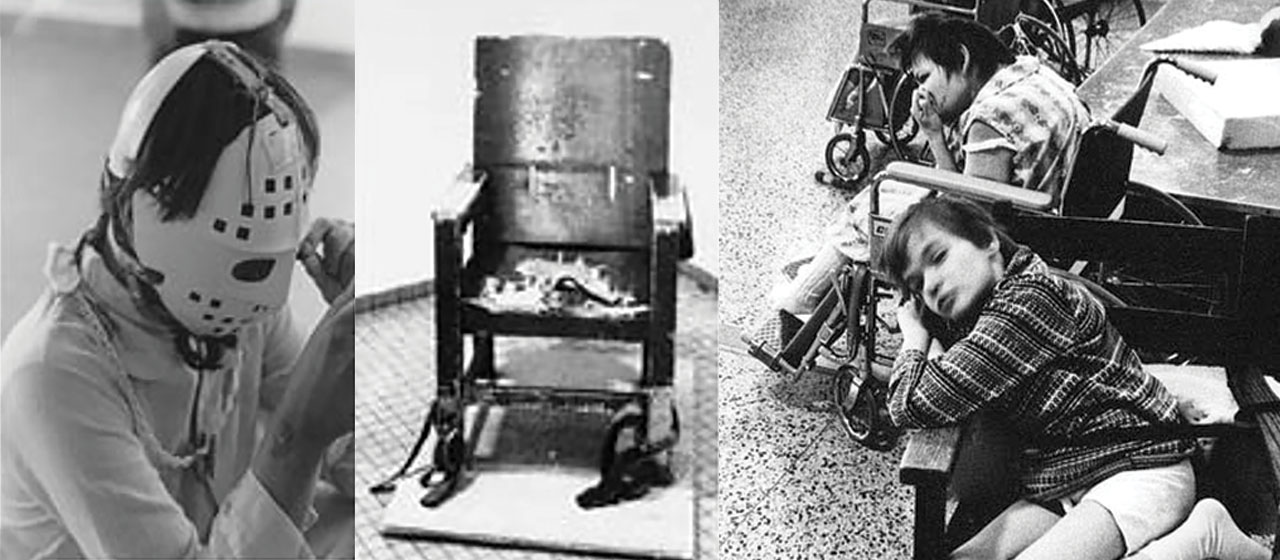
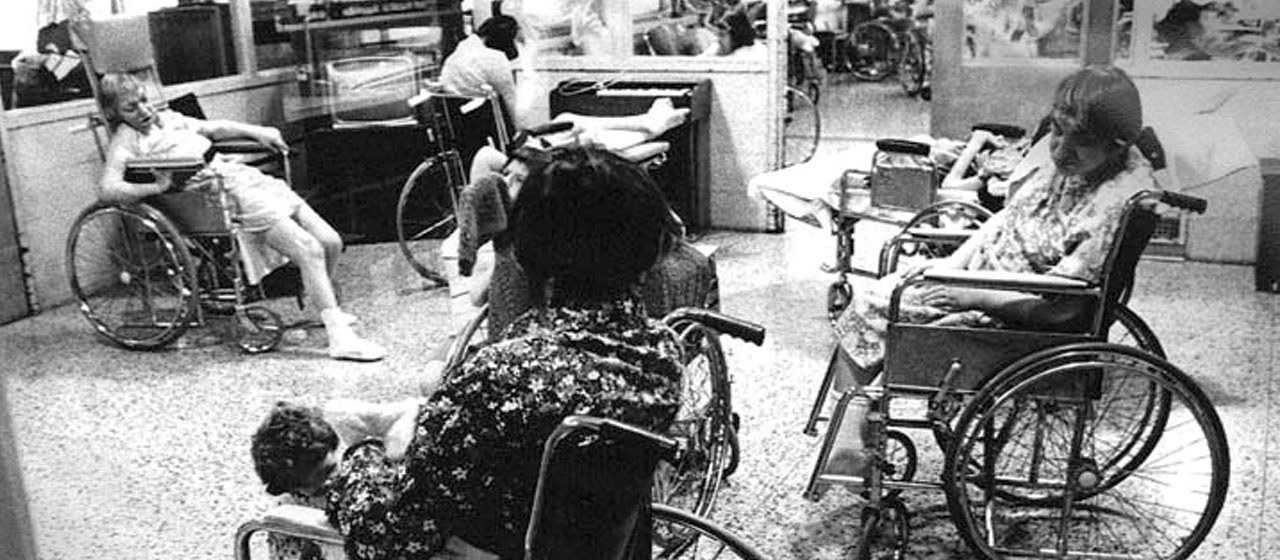
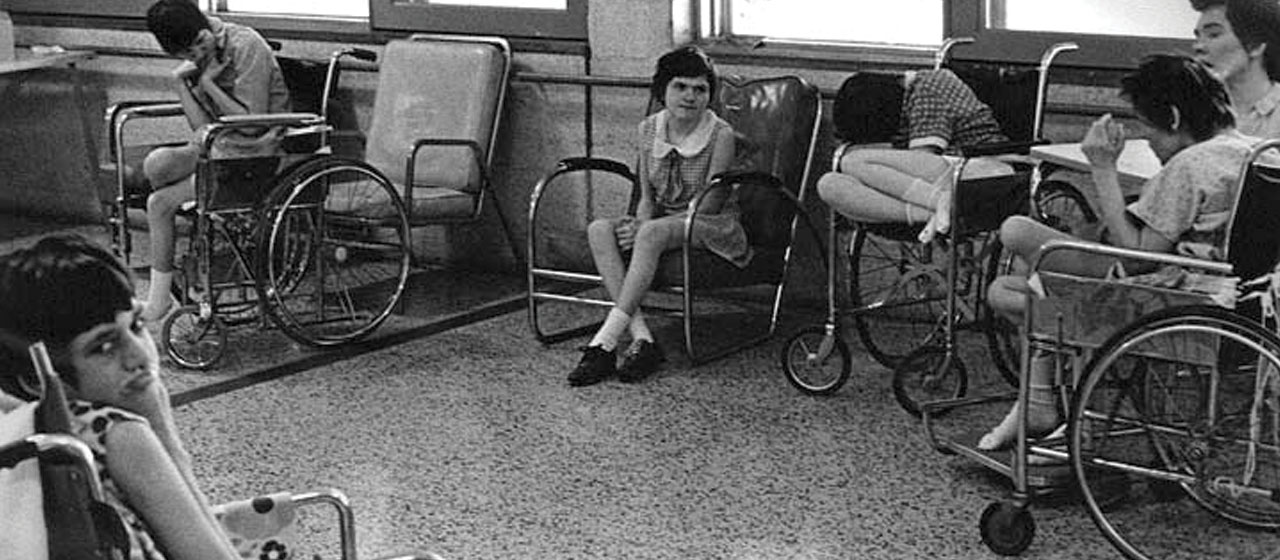
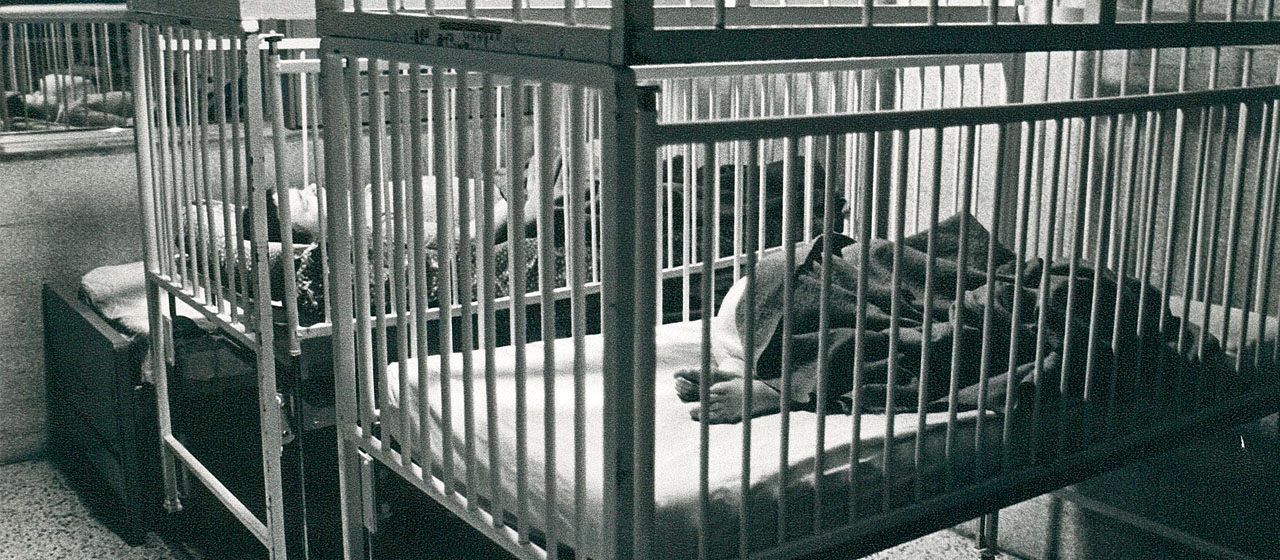
In August 1972, six people who were residents of six different Minnesota state hospitals, due to their developmental disabilities, filed a lawsuit in the U.S. District Court for the District of Minnesota alleging that conditions in the institutions violated their constitutional rights under the Eighth and Fourteenth Amendments to the Constitution. (By stipulation, the parties focused the litigation on the hospital located in Cambridge, Minnesota.)
The plaintiffs asserted:
- The failure to provide an adequate program of habilitation violated their right to treatment under the Due Process Clause of the Fourteenth Amendment;
- The failure to develop less restrictive, community-based alternatives for care and treatment violated the Due Process Clause of the Fourteenth Amendment; and
- Certain restrictions and conditions at the institution violate the Cruel and Unusual Punishment Clause of the Eighth Amendment.1
THE WELSCH DECISION
After a twelve day trial in February 1974, U.S. District Court Judge Earl Larson ruled in favor of the plaintiffs.2 Relying on New York State Association and Wyatt the Court joined the “growing body of law recognizing a constitutional right to treatment for persons confined in various settings without having been found culpable of criminal conduct,3 holding that ‘due process requires that civil commitment for reasons of intellectual disability be accompanied by minimally adequate treatment designed to give each committed person ‘a realistic opportunity to be cured or to improve their mental condition’.”4
Moreover, the Due Process Clause requires “that state officials charged with obligations for the care and custody of civilly committed persons make good faith attempts to place such persons in settings that will be suitable and appropriate to their mental and physical conditions while least restrictive of their liberties.”5
While the Court deferred findings on the plaintiffs’ Eighth Amendment claims, Judge Larson held that, regardless of whether the constitutional basis lay in the Eighth Amendment or the Due Process Clause, the plaintiffs had a right “to a humane and safe living environment while confined under State authority.”6 He went on to suggest that a number of the conditions at Cambridge might very well violate the Eighth Amendment, including the use of seclusion, physical restraints, and tranquilizing medication to control behavior.7
THE WELSCH DECREE
According to Luther Granquist, one of the counsel for the plaintiffs, “It was the hope and, at least sometimes, the expectation of the plaintiffs that the standards set in the 1974 Cambridge Orders would be applied both at [Cambridge] and system-wide. That hope proved illusory.”8
In September 1980, after lengthy litigation proceedings, the Court ruled in favor of the plaintiffs and issued the “Welsch Consent Decree.” This Consent Decree applied to all eight Minnesota state hospitals P. 1, ¶ 1] and required:
- A reduction in state hospital populations;
- Improved staffing ratios;
- Procedures governing the use of major tranquilizers;
- Procedures governing the use of certain behavior management practices; and
- Discharge planning and evaluation.
The Consent Decree also required appointment of a court monitor who would review compliance, report findings to the court and resolve complaints related to noncompliance. [PP. 30-35]
If the state substantially complied with the terms of the consent decree, the court monitor’s jurisdiction was scheduled to end July 1, 1987. However, due to compliance concerns, the Court amended the Consent Decree to extend the Court’s jurisdiction to September 30, 1987. At that time, a negotiated settlement was signed, based on pending legislation that provided for review of case management services provided for individuals with developmental disabilities. The court monitor’s position was officially terminated in July 1988, and its duties were turned over to the office of the Ombudsman for Mental Health and Developmental Disabilities.
The Welsch case was formally dismissed in August 1989, twelve years after the initial lawsuit was filed.
